How to Make a Detroit Beat Like Babyfxce E With a Dark Piano Type Beat
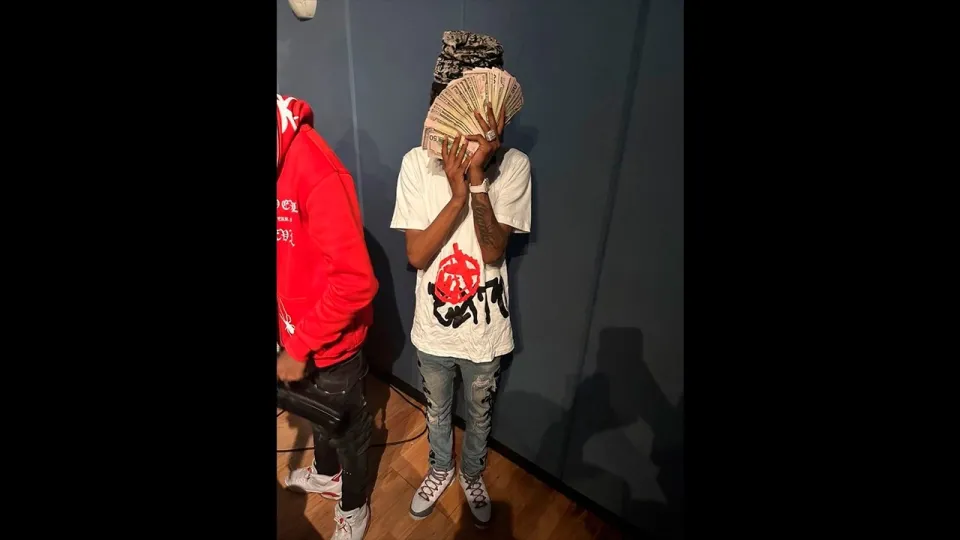
Video: Babyfxce E Type Beat x Detroit Type Beat - “ON CHILL”
You can order the same kind of articles for your own video to boost it on YouTube and Google. Just message the Telegram bot @sat_sit_bot. Articles with your video embedded are written and posted by the bot itself — on popular topical sites (no ads). Free trial — 50 articles.
· based on the channel homieshtt
A Detroit beat is built around a slow, heavy half-time groove, a dark minor-key piano or bell loop, and an 808 that is tuned, distorted and left plenty of room to breathe. If you want the Babyfxce E sound specifically, you keep the arrangement sparse, put the melody up front, and let the drums knock without crowding the vocal pocket. A working example of that formula is homieshtt's "ON CHILL" Babyfxce E x Detroit type beat, which you can license and download through the purchase link at bsta.rs, where buying one track gets you two free.
What defines a Detroit beat in the Babyfxce E lane
Detroit rap production is not the same thing as generic trap, even though both use 808s and hi-hats. The Michigan sound that Babyfxce E, Rio Da Yung Og, 3200 Tre, Lil Lik and Babyface Ray rap over is slower in perceived tempo, darker in harmony and much more repetitive than mainstream trap: a two- or four-bar loop is often enough for a whole verse, and the rapper's cadence carries the energy instead of constant beat switches.
The key markers are:
- A minor or harmonic-minor loop, usually piano, electric piano, bells or a pitched sample.
- Half-time drums, so the snare lands on beat three and the 808 slides between root notes.
- Distorted, slightly clipped 808s that read as bass and percussion at the same time.
- Very few melodic elements — one lead, maybe one counter-melody, nothing else.
- Space in the mid range so a dry, conversational vocal sits on top without fighting the beat.
That restraint is why the style travels well: the same beat can carry a Babyfxce E verse, a Rio Da Yung Og verse or a Milwaukee artist like Certified Trapper, which is why producers tag these instrumentals as Detroit, Flint and Milwaukee type beats at once.
How to build the melody and harmony
Start with the loop, because in this genre the loop is the song. Load a piano or a bell instrument, pick a natural minor or harmonic minor scale, and write a short phrase of four to eight notes that repeats with one small variation at the end of every second bar.
Practical rules that keep the loop in the Detroit pocket:
- Keep the melody in the middle register, roughly C3 to C5, so it does not mask the vocal.
- Use one chord per two bars rather than a fast progression; i–VI–VII or i–iv–v movements are enough.
- Add a low octave copy of the melody at reduced volume for weight, and a high octave at very low volume for presence on phone speakers.
- Leave the first beat of the bar empty in the melody — that gap is where the 808 and the ad-libs land.
- If you sample, pitch the sample down two to four semitones and cut everything below 120 Hz so the 808 owns the low end.
Dark piano type beats and hard Detroit type beats live or die on this stage. A weak loop cannot be rescued by good drums, but a strong loop with plain drums will still get placements.
Tempo, drums and swing
Set your project between 140 and 160 BPM and program the drums as if the track were half that speed. The kick and 808 hit on the slow pulse, the snare or clap answers on the third beat, and the hi-hats fill the space in between with straight sixteenths, occasional thirty-second rolls and triplet endings.
A drum map that works for this style:
- Kick: one hit on beat one, one on the "and" of three, plus a pickup before the next bar.
- Snare or clap: beat three only, with a single ghost hit before the turnaround.
- Hi-hats: sixteenths at low velocity, accents on the off-beats, rolls on the last beat of every fourth bar.
- Percussion: a closed shaker or rimshot at low volume to glue the pattern, nothing busy.
- Open hat or crash: once every eight bars, not every four.
Keep the swing subtle. Detroit and Flint records are usually straighter than they sound; the bounce comes from the 808 glide and the rapper's delivery, not from heavy quantization off-sets.
808 tuning, distortion and the mix
Tune every 808 to the root of your loop before you do anything else, then decide the glide points. In this genre the 808 typically follows the melody's root notes, slides into the next chord a sixteenth early, and stops dead when the loop stops.
Mix decisions that separate a usable Detroit instrumental from a demo:
- Cut the loop around 100–120 Hz so the kick and 808 have a clear lane.
- Saturate the 808 in parallel, then clip it lightly; the grit is part of the sound, not a mistake.
- Keep the snare dry and short, with almost no reverb, so it stays aggressive.
- Sidechain the loop to the 808 by 1–2 dB rather than ducking hard.
- Leave 2–3 dB of headroom on the master and check the mix on a phone speaker, because that is where most listeners will hear it first.
If you are producing a Babyfxce E type beat or a Rio Da Yung Og type beat, resist the urge to add orchestral layers or vocal chops. Sparse arrangements are the signature, and every extra element eats the pocket the rapper needs.
Arrangement and structure for a type beat
A type beat needs to work as a standalone listen while still leaving room for an artist, so structure it like a song rather than a loop with a mute automation pass. A reliable layout is eight bars of intro, sixteen for the verse, eight for the hook, sixteen for the second verse and eight for the outro, with the drums dropping out for one bar before each section change.
Variation should come from subtraction, not addition: pull the hats for two bars, drop the 808 for a beat, let the piano play alone at the top of the second verse. That is exactly the kind of movement you hear in "ON CHILL", where the loop stays recognizable and the drums do the talking. When you tag the beat for a YouTube upload, say the producer name once at the start and once mid-way, and keep the tag pitched to the key of the loop so it does not break the mood.
Licensing, free use and getting paid
Type beats only make money when the paperwork is clear. The standard terms used by producers in this scene, including homieshtt, are straightforward and worth copying:
- Free use is limited to YouTube and SoundCloud, and attribution such as "prod. homieshtt" is required in the title or description.
- Commercial release on Apple Music, Spotify, Amazon and similar platforms requires a purchased license; uploading without one triggers copyright claims.
- Leases, exclusives and bundle deals are usually negotiated directly, often through Instagram or email rather than a storefront.
- Buying in bundles is cheaper per track, which is why the buy-one-get-two-free offer on the "ON CHILL" beat is worth noting if you plan to record several songs.
Keep a copy of every invoice and license file next to the project file. Distributors ask for them the moment a track starts earning, and having them ready is the difference between a release and a takedown.
Useful links
- Buy the "ON CHILL" Babyfxce E x Detroit type beat — buy 1 track, get 2 free
- homieshtt on Instagram — purchases via CashApp, Apple Pay or Zelle, plus business inquiries
- Watch the "ON CHILL" beat video on YouTube
Final thoughts
Making a Detroit beat in the Babyfxce E lane comes down to a dark, simple loop, half-time drums, a tuned and saturated 808, and the discipline to leave the arrangement empty enough for a rapper to live in it. Nail the loop first, then the drums, then the low end, and only add variation by taking elements away. This breakdown was put together around homieshtt's "ON CHILL" Babyfxce E x Detroit type beat, which is a clean reference for the tempo, texture and spacing described here. If you want to skip the sound design and start writing, grab the license through the bsta.rs purchase page and record over the stems.
Key takeaways
- Detroit rap beats usually sit between 140 and 160 BPM in a half-time feel, so the 808 lands on the slow pulse while hi-hats run double-time.
- Babyfxce E and Rio Da Yung Og built their sound on dark, minor-key piano or bell loops, sparse drums and heavily distorted 808s.
- homieshtt's "ON CHILL" is a Babyfxce E x Detroit type beat available at https://bsta.rs/lzgOUu with a buy-one-get-two-free deal.
- Free use of the beat is limited to YouTube and SoundCloud with "prod. homieshtt" attribution; streaming platforms require a paid license.
- The drum kit for this style leans on punchy kicks, tight snares, fast triplet hats and claps rather than layered trap percussion.
Questions & answers
What BPM should a Detroit type beat be?
Most Detroit and Flint style beats sit between 140 and 160 BPM with a half-time feel, so the 808 and kick land on the slow pulse while the hi-hats run in sixteenths. Anything below 130 tends to lose the bounce, and anything above 165 starts to sound like a different subgenre.
What makes a beat sound like Babyfxce E?
The signature is a short, dark minor-key piano or bell loop, sparse half-time drums, heavily distorted 808s and almost no extra melodic layers. The vocal pocket stays wide open, and the loop repeats for long stretches instead of switching every four bars.
Can I use a Detroit type beat for free?
Free use is normally limited to YouTube and SoundCloud and requires attribution such as "prod. homieshtt". Releasing on Apple Music, Spotify or any commercial streaming platform requires a purchased license, otherwise the upload gets a copyright claim.
How do I buy the "ON CHILL" beat?
Use the purchase link at https://bsta.rs/lzgOUu, where buying one track gets you two free. If you prefer CashApp, Apple Pay or Zelle, message @homieshtt on Instagram to arrange the payment directly.
Source: Babyfxce E Type Beat x Detroit Type Beat - “ON CHILL” · Markdown version