5 Things That Make Last Laugh a Hard Boom Bap Type Beat for 90s-Style Freestyles
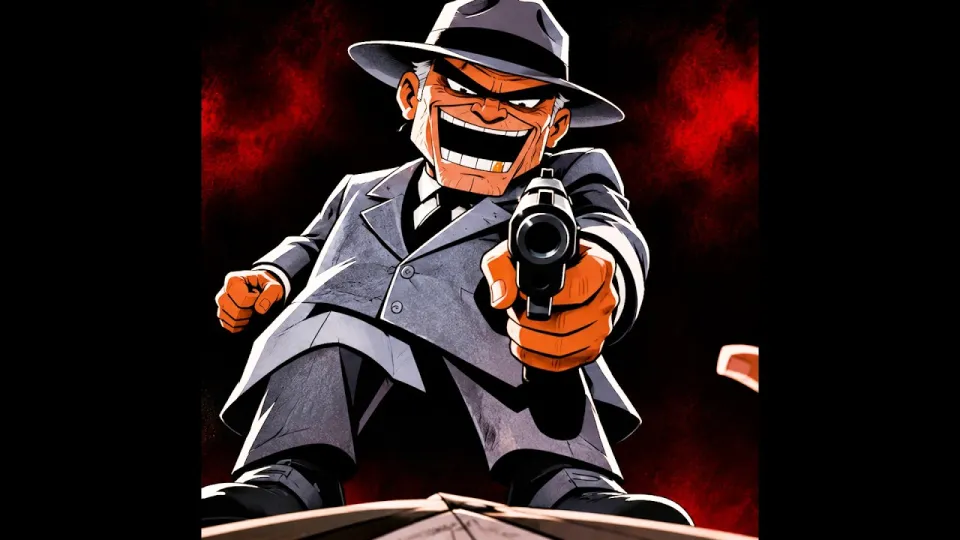
Video: [FREE] "LAST LAUGH" - Rap Beat | Old School Freestyle Boom Bap Type Beat
· based on the channel Raias Beats
A boom bap type beat is a modern instrumental built to imitate the drum-first, sample-driven sound of classic East Coast hip hop, and Last Laugh by Raias Beats is a clear example: an 88 BPM track in A minor with heavy drums, a deep bass line and a cold, deliberate groove. You can download the untagged version directly from the Last Laugh beat page on BeatStars, where the producer lists the license options. It is aimed at rappers who want a dark, hard-hitting backdrop for freestyles, punchline-heavy verses and gritty storytelling rather than a melodic trap sound.
What defines the boom bap type beat format
Boom bap is defined by its drum programming and sample-based texture rather than by tempo alone, which is why the style survives across decades of production. The term comes from the onomatopoeic description of a kick-snare pattern, and the genre's golden era conventions still govern how producers build these instrumentals.
The core elements are consistent:
- A kick and snare pattern with the snare landing on the second and fourth beats, often with swing or slight humanized timing.
- A sampled or sample-like melodic loop, frequently chopped from soul, jazz or funk records.
- A bass line that follows the harmonic movement of the sample rather than playing a separate melody.
- Vinyl noise, tape saturation and filtered highs to create an aged, analog character.
- Space left in the midrange so a vocalist can sit on top without fighting the instrumental.
Last Laugh follows this template but pushes the atmosphere toward the darker end. The description frames it as capturing the raw energy of 90s East Coast hip hop, with sneaky melodies adding an unpredictable edge over powerful drums and heavy bass. That combination is what separates a usable rap beat from a loop that only works as background music.
Tempo and key: why 88 BPM in A minor works for rappers
At 88 BPM, a beat sits in a comfortable pocket for deliberate, syllable-dense rapping without feeling sluggish. That tempo is slower than the 90–95 BPM range common in much boom bap, and the difference is audible: bars have more room, so a rapper can land multi-syllable rhymes and internal patterns instead of rushing to fill the grid.
The key of A minor contributes to the mood. Minor keys carry a darker emotional weight, and the producer describes the result as a cold, calculated groove with a serious, mysterious atmosphere. In practice this means:
- Freestylers get a steady pulse that is easy to lock into for long stretches.
- Punchline rappers get gaps between hits where a pause or a sharp delivery lands harder.
- Storytellers get a loop that does not demand attention, so narrative verses stay intelligible.
- Mixing is simpler because a sparse arrangement leaves room for a vocal in the center of the stereo field.
If you normally write to 95 BPM instrumentals, expect to adjust your phrasing. The same sixteen bars will feel longer, and you may find yourself writing more words per line or leaving deliberate pauses.
The 90s East Coast reference points behind the beat
The beat's stated inspirations are Mobb Deep, Nas and Big L, three reference points that map onto specific production habits. Mobb Deep's catalog is associated with minor-key piano and string loops over hard, compressed drums; Nas's early work leaned on jazzy, dust-covered samples; Big L's records paired aggressive drum programming with punchline-driven delivery.
Last Laugh pulls from all three directions. The heavy drums and deep bass supply the weight, the minor key supplies the tension, and the "sneaky" melodic elements supply the unpredictability that makes a loop survive repeated listens. The result is closer to an underground rap beat than to a polished, radio-oriented production, and the tags attached to the release reflect that: dark boom bap, east coast hip hop beat, golden era hip hop beat, hard 90s type beat.
Rappers searching for a Nas type beat, Big L type beat, Mobb Deep type beat, Wu-Tang Clan type beat or MF DOOM type beat are effectively looking for the same family of textures. Last Laugh sits inside that family without copying a specific song.
How to write and record a freestyle over Last Laugh
Start by looping the beat and freestyling for two or three minutes without stopping to judge yourself, then keep the lines that naturally landed on the snare. Because the tempo is 88 BPM, the snare on beats two and four gives you a reliable anchor for punchlines: place the final stressed syllable of a joke or reveal just before or directly on that hit.
A practical workflow:
- Set your DAW project to 88 BPM and import the instrumental so your grid matches the beat.
- Record a rough scratch vocal with no comping to find the flow that feels natural.
- Identify the two or four bars where the energy peaks and build the verse around that moment.
- Double the final word of key punchlines or add a short ad-lib after the snare to emphasize the hit.
- Leave the low end to the beat: high-pass your vocal around 80–100 Hz so the deep bass stays clean.
- Compress the vocal moderately and add a short plate or room reverb rather than a long, washy tail.
The beat's sparse, cold character rewards dry, upfront vocals. If you bury the vocal in reverb, you lose the directness that makes this style of rap beat work.
Licensing, downloads and the producer's other resources
Last Laugh is free for non-profit use only. Any monetized release, including distribution to Spotify, Apple Music or other streaming services, requires a purchased lease, so read the terms on the beat page before you upload a song built on the free download.
Raias Beats lists several related resources alongside the single:
- The untagged download and lease options: https://bsta.rs/4g7poF
- A membership with unreleased beats: https://raiasbeats.com/memberships
- A free pack of 30 boom bap beats: https://bit.ly/30FreeBeatsPack
- Streaming catalog on Spotify: https://shorturl.at/wXwp2
- Exclusive beats at the $50 tier: https://bsta.rs/Qi4Dqn
- Exclusive beats at $100: https://bsta.rs/geFINi
- Exclusive beats at $150: https://bsta.rs/y7nBue
- Custom beat commissions: https://bsta.rs/GuH2t
- Mixing and mastering services: https://bsta.rs/xmFd5
For a rapper testing a style, the free pack of 30 beats is the lowest-risk entry point. For a project that needs exclusivity, the tiered exclusive listings give a clear price ladder.
Conclusion
Last Laugh is a useful case study in what a boom bap type beat should deliver: a specific tempo and key, drums that carry weight, a bass line that supports rather than competes, and a mood that points clearly at 90s East Coast hip hop without imitating a single record. At 88 BPM in A minor, it suits deliberate flows, dense rhyme schemes and punchline-driven writing, and the free-for-non-profit terms make it easy to test before committing to a lease. Raias Beats produced the track and documents the full licensing structure in the video breakdown, so check the terms before any commercial release. If the sound fits your writing, start with the untagged Last Laugh download on BeatStars and build a verse around the snare.
Key takeaways
- Last Laugh is a boom bap type beat produced by Raias Beats at 88 BPM in the key of A minor.
- The beat is free for non-profit use only; Spotify, Apple Music and other monetized releases require a purchased lease.
- Exclusive rights are listed at three price tiers: $50, $100 and $150.
- Its stated influences are Mobb Deep, Nas and Big L, with a dark, cold 90s East Coast atmosphere.
- A free pack of 30 boom bap beats and a paid membership with unreleased beats are offered alongside the single.
Questions & answers
Is the Last Laugh boom bap type beat really free?
It is free for non-profit use only. If you plan to monetize a song on Spotify, Apple Music or similar platforms, you must purchase a lease through the producer's BeatStars page before releasing it.
What tempo and key is Last Laugh in?
The beat runs at 88 BPM in the key of A minor. That slower tempo leaves room for syllable-dense rapping and deliberate phrasing, while the minor key supports the dark, cold atmosphere described by the producer.
Which artists influenced this beat?
Raias Beats cites Mobb Deep, Nas and Big L as inspirations. The result is a dark, hard-hitting 90s East Coast style instrumental with heavy drums, deep bass and subtle melodic elements rather than a modern trap sound.
Can I use Last Laugh for a paid freestyle video or mixtape?
Not under the free license, which covers non-profit use only. For YouTube monetization, mixtapes sold or streamed for revenue, or distribution to streaming services, you need a lease or an exclusive purchase from the producer's listings.
Source: [FREE] "LAST LAUGH" - Rap Beat | Old School Freestyle Boom Bap Type Beat · Markdown version